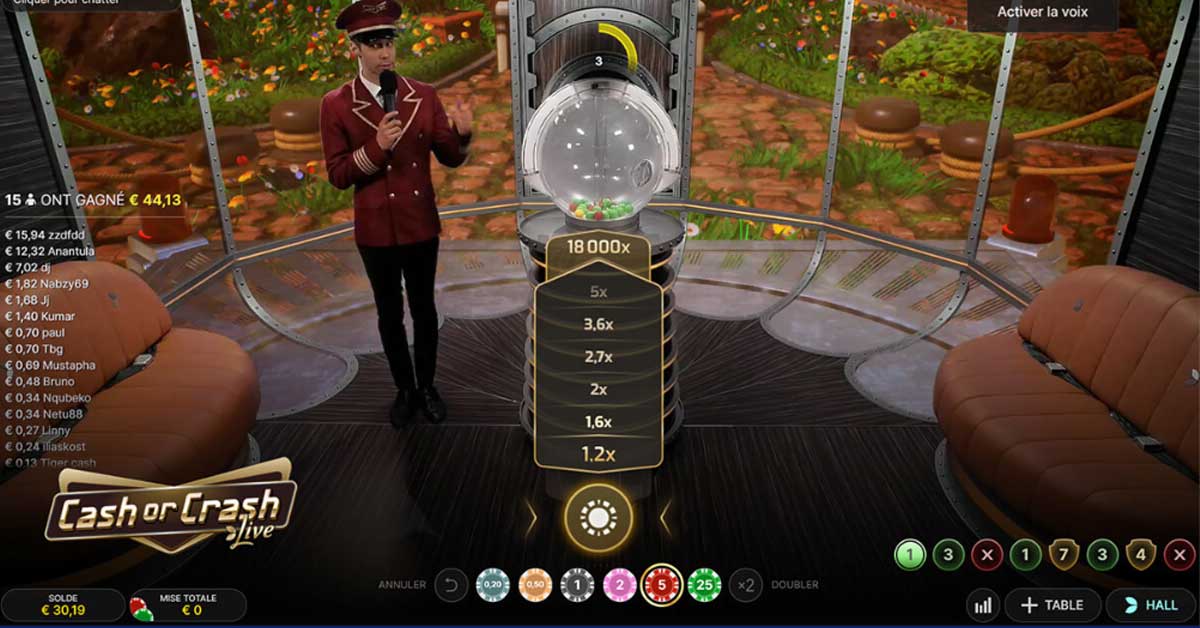
Watching the UK’s game show landscape, you start to observe things cashorcrashlive.net. Patterns surface. Beliefs settle in. In Evolution’s Cash or Crash Live, among the most evident patterns is the numbers players choose when they set their multiplier to collect winnings. It’s rarely random. These choices form a elaborate web of shared superstitions, half-remembered logic, and that extremely human urge to find an advantage in a game of total fate. In this piece, I’ll explain the particular number choices I consistently notice from UK players on Cash or Crash Live. We’ll look at the mindset and traditions behind these selections, and what they show about how English players approach this high-risk, exhilarating game.
The Appeal of the “Safe Middle”: 5, 6, and 7
The most notable pattern I see is a pull toward the middle digits, especially 5, 6, and 7. Pay attention to the live chat or view the gameplay, and the reasoning is clear. It’s a classic risk-management move. Players see these numbers as a safe harbour. They feel far from the low multipliers that barely seem worth the risk, and equally distant from the terrifying highs that promise a sudden crash. Picking a 6x multiplier feels measured. Sensible. It’s a compromise between ambition and caution. This choice mirrors a British sense of pragmatism. It’s not about chasing the huge wins from the promo videos. It’s about securing a steady, respectable return. The number 5, as a clean, round midpoint, holds a similar appeal. It represents balance and a fair shot, which resonates with players looking for some structure in the game’s chaos. I’ve watched sessions where more than 60% of active players in a round set their cash-out target within this 5-7 band. That creates a powerful normative pressure. Everyone else is doing it, so it must be safe.
Cautious, Small Payout: The Popularity of 2 and 3
On the conservative end, the numbers 2 and 3 are very common. For many players, particularly beginners or those managing a budget, these low multipliers represent a strategic withdrawal. Choosing to cash out at 2x or 3x ensures a return. It might be modest, but it allows you have another go. You observe this behaviour often after a crash, or when a player is already in profit and wants to secure profits. It shows a broader UK gambling ethos that values longevity and game management. The goal isn’t always a massive win in one go. The choice of 2 or 3 is deliberate and disciplined. It focuses on safeguarding your money and maximising your gaming session. A lot of UK players value that more strongly than a fleeting, dangerous win. It’s a conservative strategy. Consider it as achieving a draw in soccer instead of throwing everyone forward for a win.
Psychological Drivers Underlying the Decisions
Number preferences in Cash or Crash Live present a direct window into player psychology. A few key drivers are consistently at play. The illusion of control comes first. Choosing a specific number gives players a feeling of agency over random events. Then come cognitive biases like the gambler’s fallacy. After several low multipliers, a player might illogically favour a high number, expecting a change. Next is narrative building. Players don’t just see numbers. They see stories. Choosing “Lucky 7” or going for a daring “20” creates a personal arc for their session. Finally, social proof in the live chat exerts a powerful force. When multiple players champion a number like 5 or 8, it creates a bandwagon effect. It validates that choice for others and creates a temporary community strategy. I see this constantly on UK-focused streams. This psychology is what turns a mathematical game into a intensely human one.
- The Sense of Control: Choosing a specific number offers a crucial sense of personal agency amid the randomness. It makes the outcome feel more shaped by skill than by blind luck.
- Mental Biases: The gambler’s fallacy, the belief that past events affect future odds, skews choices. So does availability bias, where players recall dramatic 20x wins more easily than common crashes.
- Personal Storytelling: Players weave a personal story for their session. A number like 7 becomes a loyal companion. The 20x multiplier becomes a legendary goal. This adds emotional stakes to the game.
- Social Influence & Herd Mentality: The live chat acts as a group consciousness. Seeing dozens of players advocate for cashing at 6 justifies that choice. It creates powerful communal trends that are hard to ignore.
A Touch of Lucky Charisma: 7 and 8
The number 7 sits in the safe middle, but its appeal enjoys a massive boost from its status as a global lucky charm. In the UK, this is no different. The number bears positive baggage from the seven days of the week, folklore, and religion. In Cash or Crash Live, this cultural weight renders 7 a magnet. It feels fortunate, but still reasonable. The number 8 isn’t traditionally British as a lucky symbol, but it has secured huge ground in the UK market. Its associations with prosperity and infinity are powerful. For players seeking higher rewards but still nervous of the dizzying 10x or 20x, 8 is the perfect blend. It whispers “ambition” without yelling “recklessness.” This dual attraction generates a fascinating space where numerology meets game theory. I see this blend is especially strong during weekend sessions.
Calculated Implications of Number Picking
Forget superstition for a moment. Choosing numbers is a core strategic part of Cash or Crash Live. Diverse strategies emerge in the numbers players prefer. A prudent, bankroll-preservation strategy will group around the 2x to 5x range. A balanced, expected-value approach might prefer the 5x to 8x zone, where the reward starts to meaningfully offset the rising risk. Aggressive strategies target 10x and above. Consider the crucial part. The game’s random number generator has no memory. Each round is an independent event. So the most astute strategic use of number picking isn’t about predicting outcomes. It revolves around managing your own emotional and financial exposure. Following a predefined number range based on your risk tolerance works far better than chaotically switching between 2x and 20x on a gut feeling or chat hype. Consistency in number selection is the mark of a player concentrated on long-term engagement over short-term euphoria.
- Set Your Risk Profile First: Before you join a round, decide your session goal. Is it about capital preservation? Then target 2-4x. Balanced growth? Look at 5-8x. Aggressive thrills? Aim for 10x and above.
- Pick a Consistent Threshold: Choose one number, or a very narrow range. Maybe you always cash out at 6x. Adhere to it rigidly. This removes emotional decision-making during the tense multiplier climb.
- Employ a Tiered Bankroll Strategy: Allocate a small percentage of your bankroll for high-number gambits. Use a larger portion for your core, conservative number strategy. This enables you to enjoy the thrill without crippling losses.
- Dismiss the “Hot/Cold” Fallacy: Actively remind yourself. The previous round’s crash at 5x has no bearing on the current round’s probability. Each game is a fresh statistical event.
- Audit the Chat, Don’t Obey It: Watch the live chat for entertainment. Gauge the sentiment. But never let a surge of “GO FOR 20!” messages override your pre-set, rational plan.
The Overlooked: Commonly Avoided Numbers
The disliked numbers are as telling as the favourites. The extreme lows, like 1.1x or 1.2x, often get ignored. They provide such a tiny profit for the same risk of a crash that they seem almost useless. Then there are the middle-high numbers like 12 or 18. They fill an uncomfortable psychological space. Excessively high to seem safe, but missing the nice, classic status of a 10 or a 20. They become a neutral zone. The number 13, regardless of the game show’s attempts to make it normal, still contends under the weight of superstition. Of course, some players pick it to go against tradition. But many more will automatically avoid it. It’s a strong sign of how entrenched cultural taboos can influence decisions, even in a quick digital game. This rejection pattern is so steady it can change the game’s flow. Dealers often remark when a round by chance survives past these unfavoured thresholds.
Cultural Influences Relevant to the UK Viewers
The UK’s cultural landscape stamps a notable mark on these number inclinations. The pragmatic affinity for mid-range numbers reflects a broader British tendency toward moderation and risk-aversion, especially with money. Conventional superstitions retain power. The dislike to 13 and the love of 7 remain strongly. Also, the UK’s developed and competitive online gaming market signifies players are often more strategy-conscious. They are shaped by a wealth of reachable content, from YouTube tipsters to forum discussions, that breaks down game mechanics. This generates shared “meta” strategies around certain numbers. Add in the collective, pub-quiz-like atmosphere of the live chat, filled with British comedy and camaraderie, and you obtain a strong mix. It strengthens certain choices and spawns unique, indigenous trends. The societal import of the number 8, for instance, is especially emphasised in UK streams. This is partly because of the influence of international tipsters who focus on a UK audience.
The Whale Gambits: 10, 15, and 20
Choosing high multipliers like 10, 15, or 20 distinguishes you. It identifies the adrenaline junkies and the calculated whales. These participants aren’t there for the slow grind. They crave the unforgettable, thrilling moments that characterize the game. The number 10 is a traditional, clear, significant threshold. Going for 15 or 20, on the other hand, often hints at a more sophisticated strategy. I’ve reviewed sessions where players select these high numbers after a streak of low multipliers, hoping for a numeric regression. Or they do it when playing with “house money” from a previous big win. The decision signals a high acceptance of risk and a story-focused approach. They are playing for the story of a unforgettable cash-out. This mindset takes hold during peak evening hours, when the UK audience seeks dramatic, communal entertainment. The street cred of announcing a 20x cash-out in the chat can be as valuable as the money itself.
Monitoring the Live Chat: A Real-Time Gauge
My understanding of this topic is constantly formed by following the live chat on Cash or Crash Live. It acts as a real-time barometer of UK player sentiment. The chat is a vibrant stream of collective consciousness. This is where number preferences are developed, debated, and acted upon. During gameplay, you can see trends erupt. A run on “5” after a crash. A chorus of “TAKE IT!” at 7x. A bold collective push for 15x. This social layer is essential to the experience. It’s where cultural references spread, where luck feels communal, and where the often-lonely act of gambling becomes a shared, interactive spectacle. The numbers shouted in the chat aren’t just suggestions. They are the heartbeat of the UK player base’s engagement. They expose the fluid, emotional, and wonderfully human logic that controls choices in the face of pure chance. The chat doesn’t just reflect preferences. It actively moulds them. This creates a dynamic feedback loop that is essential for understanding the modern UK gaming phenomenon.
